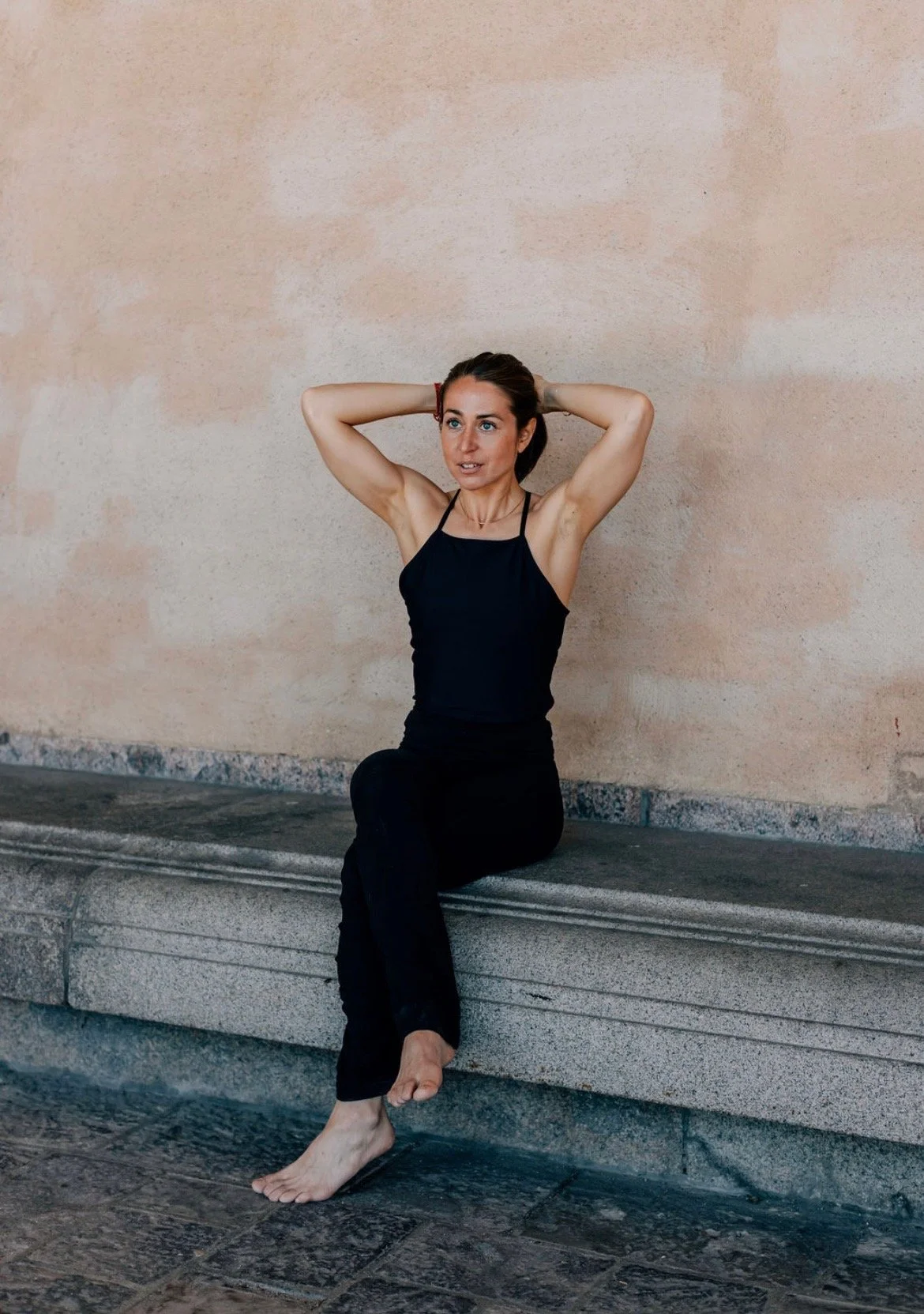
NATHALIE CZARNECKI
THE YOGA JOURNEY
At age of 18, I moved to live in the UK and stayed for ten years. One of the few things I brought with me was a pink yogamat - from that point, the practice became my stability. When I discovered yoga more than 15 years ago, I never imagined how profoundly it would shape my life, or that it would lead me to teaching.
After several years as a devoted Ashtanga Yoga Mysore student, I trained with East London School of Yoga on a scholarship. Encouraged by my teacher, Stewart Gilchrist, I began to share the practice through teaching. Today, I teach yoga and meditation primarily in Stockholm, as well as internationally.
The asanas as part of the other guidelines in the Eight Limbs of Ashtanga Yoga together with the philosophical view of the world from the Mahayana Buddhist tradition, continues to reveal truths about the universe, it brings knowledge and invites me to look, listen and experience life differently.
The practice helps me to live a better and healthier life, build stronger relationships, care more about myself and my environment. It also reveals where I need to work on myself and my surroundings.
Today, yoga is an essential part of my daily life. The practice has taken me to many different places and connected me with people from all over the world. For me, it has become a way to ground myself, find a sense of sanctuary and cultivate independence. Whatever may be happening in my personal or professional life, the practice remains.
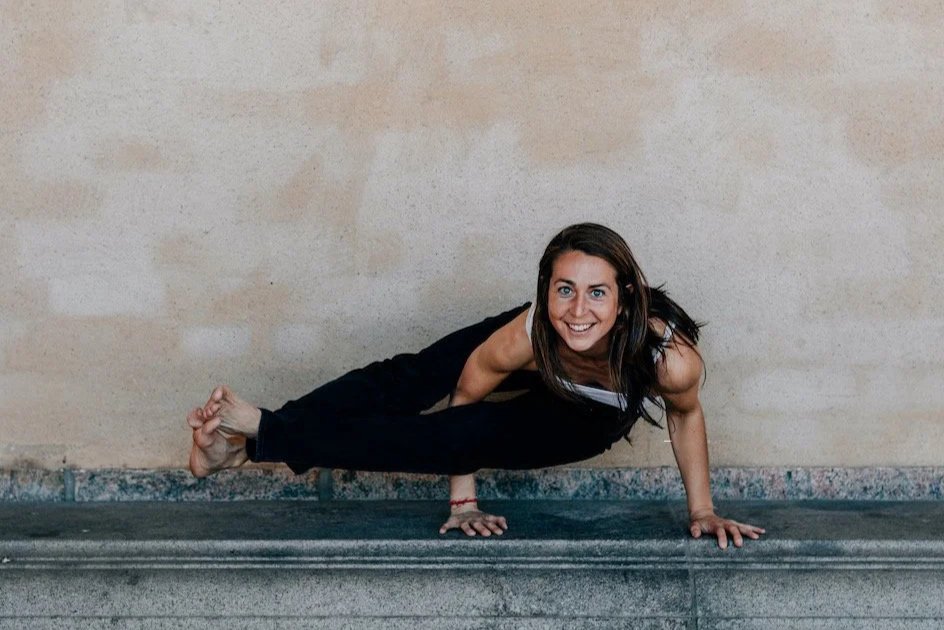
THE CREATIVE SIDE OF THINGS
Alongside teaching yoga, I work freelance as an actor and artist across the performing arts, film, audiobooks, sound and music.
My creative work and my yoga practice are deeply connected. I am drawn to creating spaces where we can reconnect with our creativity, imagination, subconscious and experience our consciousness and world outside the mind - through our bodies — and to simply be present, to slow down and to listen: to our bodies, ourselves and to others.
We live in a world where our experience of time, space and connection is constantly shifting. Human movement and migration, new ways of communicating, the pace at which we work and live, and the ways we perceive ourselves and one another are continually changing.
This makes me curious about how we might experience time and presence differently.
Personally, yoga and meditation offer one way into this exploration, but so do music, writing, performance, movement and the voice. Through these different practices, I am interested in creating moments where we can step outside our habitual rhythms and experience ourselves — and the world around us — with greater attention.
I believe there is a particular need today to remain connected to our bodies, to ourselves and to one another. To find moments of stillness so that we can listen and actually hear.
My background in philosophy continues to inform this exploration. After studying philosophy at the University of York and later International Human Rights and Public Policy at UCL, questions about what it means to live a good, meaningful and happy life continue to stay with me.
I am particularly interested in bringing Eastern and Western philosophical perspectives into contemporary dialogue around questions of ethics, consciousness, the self and what it means to live well.
Through yoga, meditation and the creative arts, I am interested in exploring this not only intellectually, but also through the body, as I hold the view that the body and mind are in union and causally interdependent, non-separable.
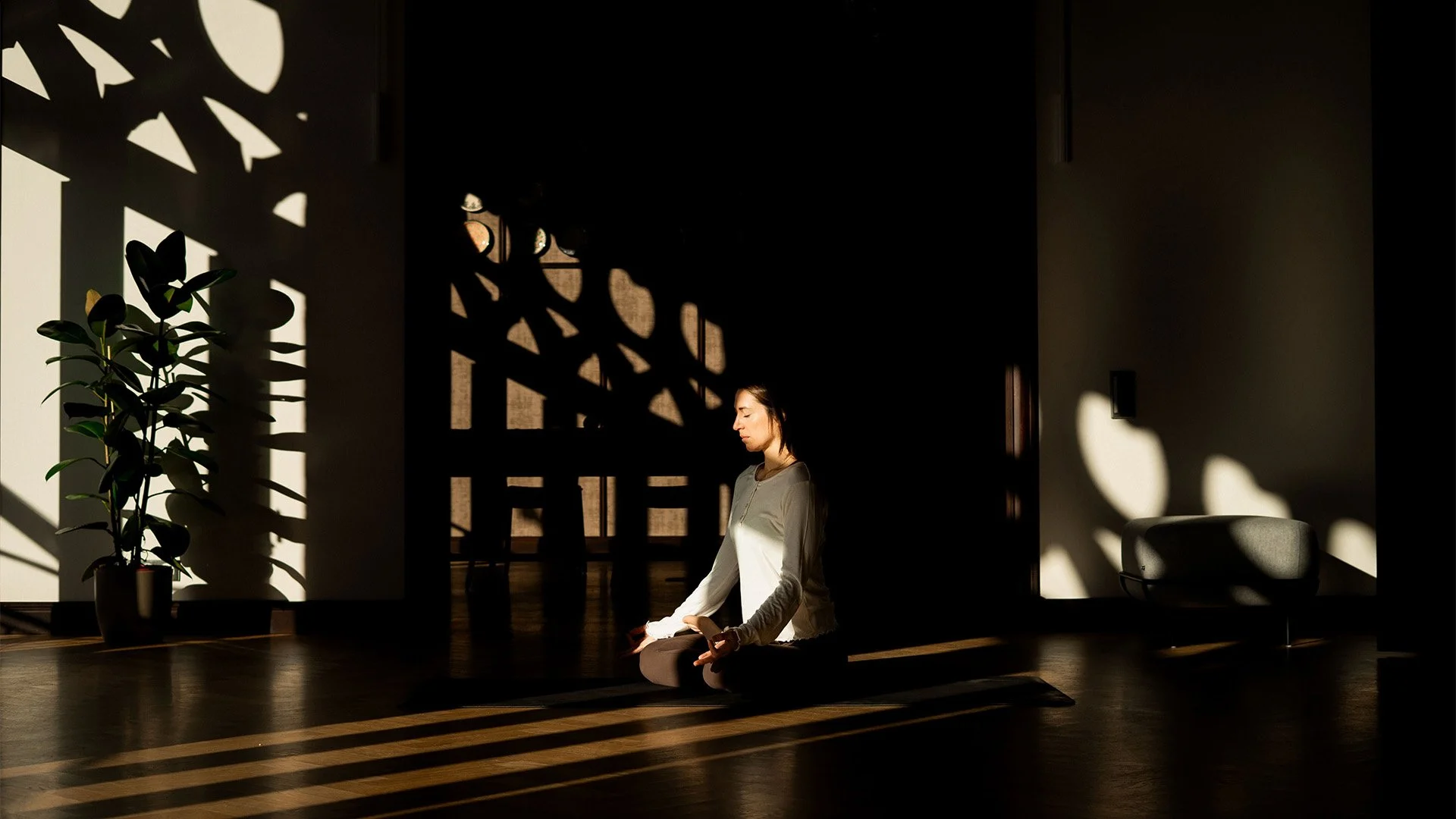
The Background of Nath, NathYoga & NathYogis
My teacher Stewart used to call me “Little Nath.” His voice would echo through the shala: “Good to see you, Little Nath.” “Little Nath, engage your bandhas.”
Over time, I began playing with the words Nath, Nātha-lie and later came NathYoga. I started reading about the NāthYogis and felt a resonance between the Nātha tradition and my own approach to yoga and its teachings.
The Nāth tradition is an ancient Indian yogic tradition rooted in Shaivism (view on Shiva as Brahman, the absolute truth) Tantra and the development of Haṭha Yoga. It has also interacted with other Indian traditions, including Buddhism, making it difficult to place clearly within modern religious categories.
At the heart of the Nātha tradition is the understanding of the human body as an instrument for awakening—a vehicle through which we can cultivate deeper states of consciousness, self-mastery and liberation. The body is not simply something we inhabit; it becomes part of the path itself.
Traditional Nātha yoga practices which I have also included in the teaching are:
Haṭha Yoga — physical postures and practices
Prāṇāyāma — breath practices
Bandhas — energetic or bodily locks
Mudrās — gestures and energetic seals
Dhyāna — meditation
Tapas — discipline and dedicated practice
Kundalini practices — working with primal spiritual energy
Mantra — the repetition of sacred sounds or words
In Sanskrit, nātha rooted from nāth (नाथ) means lord, master, protector or refuge.
For me, Nāth has come to represent a feeling of protection, self-mastery and inner stability—to find independence, strength and sense of refuge within through the yoga practice.